RESIDENCE CARD IN POLAND
One of the simplest ways to legalize your stay in Poland is to obtain a residence permit (ВНЖ). Depending on your circumstances, this can be either a temporary residence permit (pobyt czasowy) or a permanent residence permit (pobyt stały). The residence card opens up many opportunities for living and working in Poland.
What is a residence card?
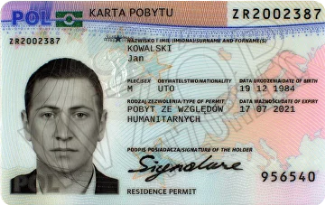
A residence card (Karta pobytu) is a document that confirms legal residence in Poland. Together with a passport, the card verifies a foreigner’s right to stay in the country and allows for multiple border crossings without a visa, as well as entry into Schengen Agreement countries for up to 90 days within a 180-day period.
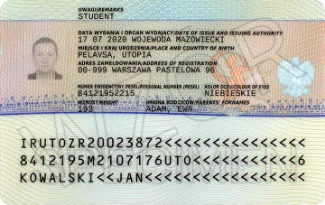
A residence card is a standard European Union biometric document that contains all your personal information:
-
• name
-
• surname
-
• date of birth
-
• citizenship
-
• Validity period of the card
-
• place of birth
-
• PESEL number
-
• parent's name
LONG-TERM EU RESIDENCE PERMIT
What is a long-term EU residence permit
The long-term EU residence permit (EU long-term resident’s card) is a permit for permanent residence in Poland. The decision to issue a residence permit is made for an indefinite period of time. The card itself is valid for 5 years, which means that the card must be replaced every 5 years as part of the card replacement procedure. However, there is no need to reapply for a permit and go through the permit process. A long-term EU residence permit (EU long-term residence card) issued by Poland entitles the holder to travel to other Schengen countries. Nevertheless, the stay of a foreigner on this basis cannot exceed 90 days within 180 days. If a foreigner intends to stay in this country longer than the specified limit allows, he must legalize his stay in accordance with the rules in force in the country.
Types of residence cards and their grounds
Temporary residence card (karta czasowego pobytu)
A document issued to a foreigner for legal residence in Poland for up to 3 years. It is required for official residence, employment, and conducting business activities in the country.
read more
Citizenship (Polish passport)
A document in the EU format that certifies the identity and citizenship of its holder.
- A foreigner can obtain a Polish passport if they have been continuously and legally residing in Poland for 1 to 3 years based on a permanent residence permit (karta stałego pobytu or karta rezydenta długoterminowego UE) – Uznanie za Obywatela Polskiego (Recognition as a Polish Citizen). długoterminowego UE) – Uznanie za Obywatela Polskiego.
- A Polish passport can be obtained through the President of Poland. The President can grant Polish citizenship to any foreigner upon their application. This is a presidential prerogative according to the constitution, not limited by any conditions – Nadanie Obywatelstwa Polskiego (Granting of Polish Citizenship).
Long-term residence card (karta stałego pobytu)
A document issued to a foreigner for legal residence in Poland for an indefinite period (the plastic card is renewed every 10 years).
read more
Long-term EU resident card (karta rezydenta długoterminowego UE)
A document issued to a foreigner for legal residence in Poland for an indefinite period (the plastic card is renewed every 5 years). Such a card can be obtained by a foreigner who has been legally residing in Poland for more than 5 years, has stable employment (for the last 3 years), and holds a document certifying knowledge of the Polish language at the B1 level.
QUESTIONS AND ANSWERS
Visa-free stay in Poland is short-term and lasts no more than 90 out of 180 days. Border guards calculate the days of a foreigner’s stay for the last 180 days. Every 6 months (180 days), you can stay in the Schengen area for only 90 consecutive days or sum up the days of short-term stays.